
A New Homeowner's Guide to Upkeep for Water Heaters
Buying a home comes with many new responsibilities, from maintaining the roof and appliances to keeping the plumbing system in good working order. One of the most important systems to understand is the equipment responsible for supplying hot water throughout the property. Proper upkeep can help homeowners identify developing problems before they become disruptive or costly.
Water heaters work regularly to provide hot water for bathing, cleaning, laundry, and other household tasks. New homeowners should learn the basics of their system, establish a maintenance routine, and know when professional service may be necessary. According to WifiTalents, roughly 12% of plumbing service calls involve water heater failures, highlighting why routine attention to this essential equipment matters.
Understanding Your Water Heater
Learn How Your System Works
The first step in maintaining water heaters is to understand what type of system is installed in your home. Traditional storage-tank models heat and store a supply of water, while tankless systems heat water as it is needed. Electric and gas models also have different components and maintenance requirements. Knowing which system you have can make it easier to recognize unusual behavior and follow the appropriate care recommendations. New homeowners should locate the unit, identify its energy source, and review the manufacturer's documentation if it is available. This information can be particularly helpful when scheduling inspections, troubleshooting minor concerns, or discussing repairs with a professional plumber.
Learn the Important Components
Homeowners should also become familiar with the basic components surrounding their water heater. Depending on the system, these may include water supply and discharge connections, temperature and pressure relief components, heating elements or burners, drain valves, insulation, and venting. Gas-powered equipment requires particular attention to proper combustion and exhaust venting, while electric units have electrical components that should be serviced carefully. You do not need to perform technical repairs yourself, but knowing what the major components do can help you identify visible changes. For example, moisture around a connection, corrosion, or a damaged component can indicate that professional attention is warranted.
Keep the Area Around the Unit Clear
The space surrounding water heaters should remain accessible and free from unnecessary storage. Avoid stacking boxes, cleaning supplies, furniture, or other belongings against the equipment. A clear area makes it easier to notice leaks, corrosion, or other visible changes and gives technicians adequate room to inspect and service the system. Gas-powered units may also require appropriate clearance around the equipment for safe operation. Homeowners should follow manufacturer requirements and applicable local codes rather than assuming that a particular clearance is adequate. Keeping the surrounding area clean and accessible is a simple maintenance habit that can make future inspections and repairs easier.
Establishing a Routine Maintenance Schedule
Check for Leaks and Visible Changes
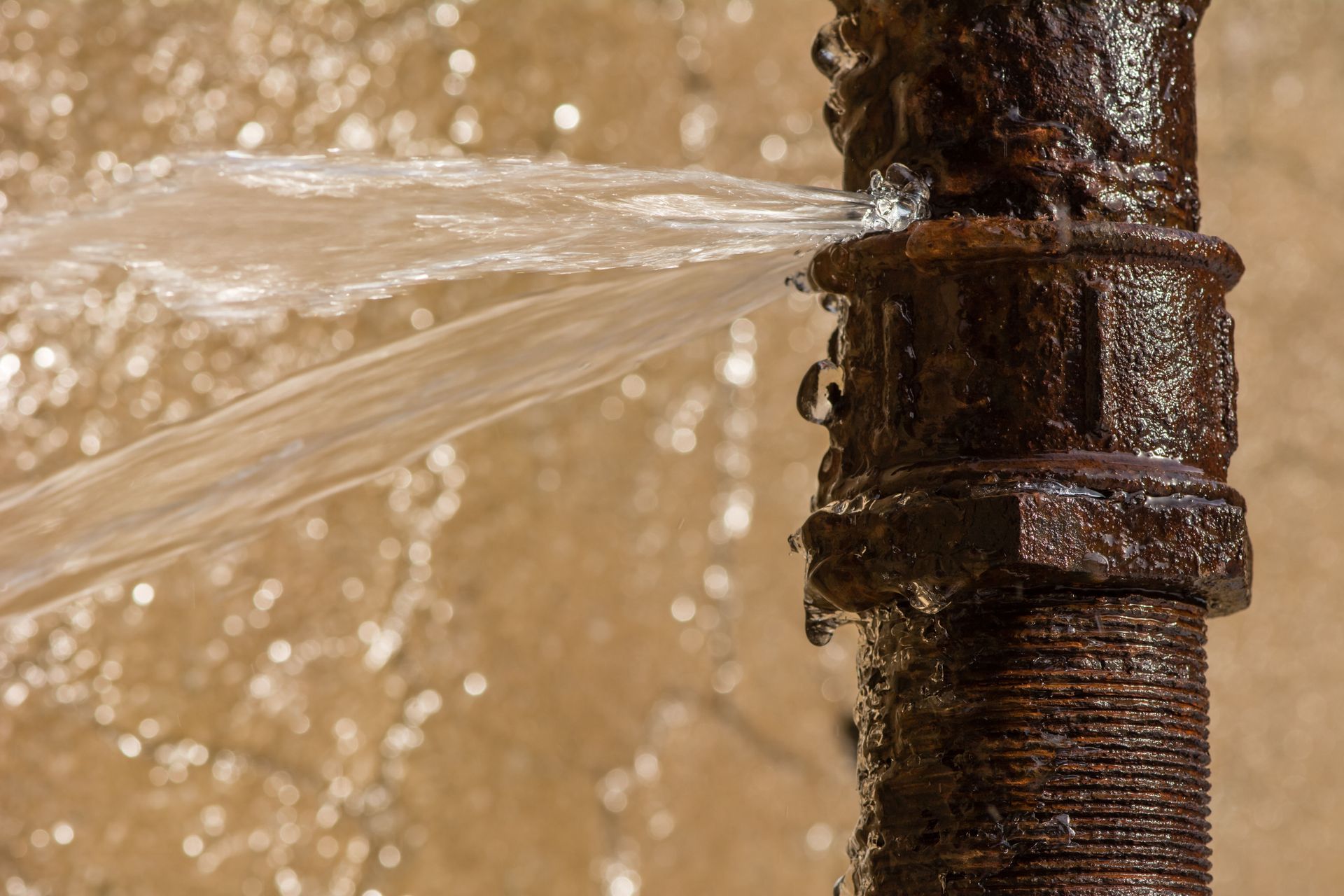
Regular visual inspections can help homeowners spot developing issues before they cause more extensive damage. Look around the unit and nearby plumbing connections for puddles, damp areas, rust, mineral buildup, or other signs of moisture. Even a small amount of water should not automatically be dismissed as harmless, particularly if the source is unclear. Homeowners should also pay attention to changes in the appearance of pipes, fittings, and other accessible components. If a leak appears to be coming from the tank itself or water is accumulating rapidly, professional service may be needed promptly. When it comes to water heaters, catching a problem early can help limit damage to surrounding flooring, walls, and belongings.
Schedule Professional Inspections
Routine professional inspections can provide a more thorough assessment than a homeowner's visual check. A plumber can examine connections, safety components, heating components, venting where applicable, and other parts of the system to identify potential concerns. Maintenance recommendations can vary depending on the equipment's age, design, energy source, usage, and condition. Traditional tank systems may benefit from periodic flushing to address sediment accumulation, while tankless systems have their own maintenance considerations. Following the manufacturer's recommendations and having qualified professionals evaluate the equipment can help keep water heaters operating efficiently and identify components that may need repair or replacement.
Monitor Performance Over Time
Homeowners should pay attention to how their water heating system performs from one month to the next. A gradual decline in hot water availability, inconsistent temperatures, unusual sounds, discolored water, or longer heating times can indicate an underlying issue. Changes in household size or water usage can also affect whether the existing system continues to meet the property's needs. Keeping a simple record of maintenance visits, repairs, and noticeable performance changes can give homeowners useful information when speaking with a plumber. It can also help establish a clearer maintenance history, particularly for a newly purchased home where the previous owner's service records may be incomplete.
Recognizing Problems and Planning Ahead
Respond to Warning Signs Promptly
Unusual noises are among the changes homeowners should not ignore. Popping, rumbling, banging, or other unfamiliar sounds can develop as equipment ages or as sediment accumulates in certain traditional systems. Leaks, inconsistent water temperatures, insufficient hot water, and visible corrosion can also indicate that service is needed. A problem that seems minor may become more disruptive if it continues unchecked. Homeowners should avoid attempting complicated repairs for water heaters without the appropriate training, especially when gas, electricity, pressurized water, or safety components are involved. Instead, document what you are noticing and contact a qualified plumbing professional for an evaluation.
Know When Replacement May Be Necessary
Maintenance can help preserve a functioning system, but it cannot prevent every eventual failure. Age, corrosion, repeated repairs, declining performance, and changes in household hot water demands can all contribute to the need for replacement. When an older unit requires frequent service, homeowners may benefit from discussing replacement options before an emergency occurs. A professional can evaluate the property's hot water requirements and compare appropriate tank or tankless systems, considering factors such as household size, available space, energy source, installation requirements, and expected usage. Planning ahead can also make it easier to arrange installation on a convenient schedule rather than waiting for a complete loss of hot water.
Use Professional Help for Repairs
Water heating equipment contains components that can create safety hazards or cause property damage if handled incorrectly. Professional plumbers have the training and equipment needed to diagnose problems, perform repairs, and complete replacements according to applicable requirements. Professional service is especially important when water heaters have issues related to gas lines, electrical connections, venting, pressure-related components, or a leaking tank. If an emergency develops, homeowners should take appropriate immediate precautions and seek professional assistance rather than attempting an unfamiliar repair. Establishing a relationship with a qualified plumbing company can also make it easier to arrange routine maintenance, obtain repair recommendations, and plan for replacement when necessary.
New homeowners do not need to become plumbing experts to maintain their hot water system effectively. Learning how the equipment works, keeping the surrounding area accessible, watching for visible changes, and scheduling professional maintenance can all contribute to dependable performance. Paying attention to warning signs is equally important because small changes can provide an opportunity to address problems before they become major disruptions.
A proactive approach also helps homeowners make informed decisions about repairs and eventual replacement. Whether the property has a traditional tank or a tankless system, regular upkeep can support efficiency, safety, and consistent access to hot water. When a concern goes beyond basic homeowner maintenance, contact a qualified plumber at Terry's Plumbing Air & Energy to help ensure your system receives appropriate care.

Share On: