
How Repiping Specialists Improve Water Pressure and Flow
Have you ever stepped into the shower expecting a powerful stream, only to be met with a frustrating trickle of water? This common household annoyance is often a symptom of underlying plumbing deterioration that cannot be fixed with a simple showerhead replacement. Fortunately, experienced repiping specialists possess the expertise to completely revitalize your home's water pressure and flow.
Recognizing the Signs of Poor Water Flow
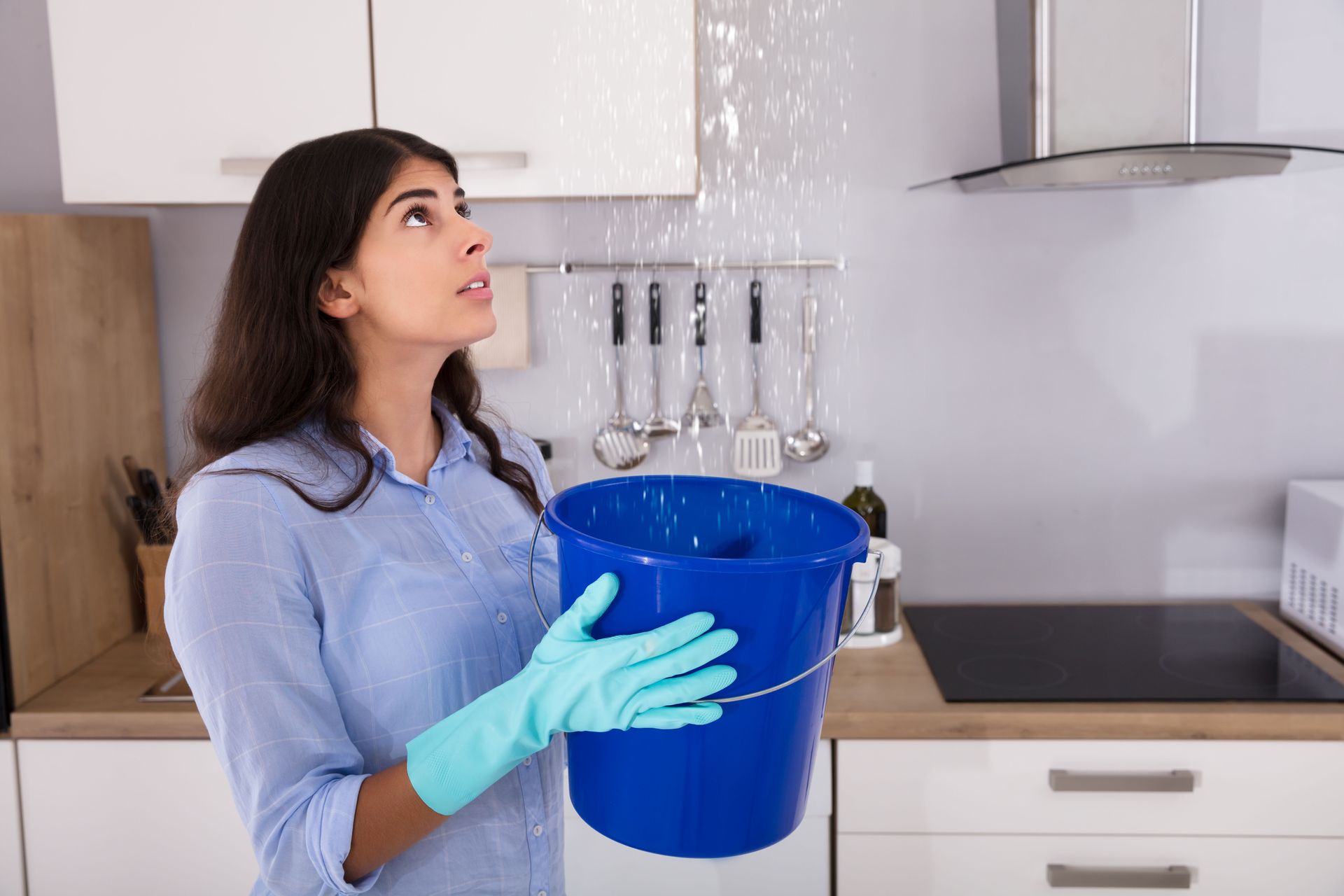
Many homeowners gradually become accustomed to subpar water pressure without realizing how severely their plumbing system has degraded over the years. You might notice that it takes an unusually long time to fill a simple pot for cooking, or perhaps the washing machine takes twice as long to complete a standard cycle. Another clear indicator is the inability to use multiple fixtures simultaneously; if turning on the kitchen sink causes the shower pressure to plummet to a drip, your home is struggling with severely restricted flow. Sometimes, the problem manifests visually as water sputtering violently from the tap or presenting with a rusty, discolored tint when you first turn it on in the morning. These symptoms serve as crucial warning signs that the internal diameter of your pipes has been compromised, restricting the volume and force of water that can reach your faucets. Ignoring these early warning signs often leads to more severe plumbing failures down the line.
Understanding the Causes of Low Water Pressure
The root causes of diminished water pressure usually stem from the natural aging process of legacy plumbing materials installed decades ago. Galvanized steel pipes, popular in homes built before the nineteen eighties, are notorious for developing severe mineral buildup and rust along their interior walls. Internal corrosion accumulates and creates thick, rock-hard blockages that drastically narrow the pathway available for water to travel through. In other cases, hard water deposits calcify inside copper piping, creating a similar bottleneck effect that chokes off the water supply before it ever reaches your fixtures. When municipal water enters your home at an adequate pressure but slows to a crawl by the time it reaches the second-floor bathroom, the internal condition of the pipes is almost always the culprit. Diagnosing the exact nature and location of these blockages requires the trained eye of repiping specialists who understand how different pipe materials degrade over time.
Assessing the Pipes for Hidden Damage
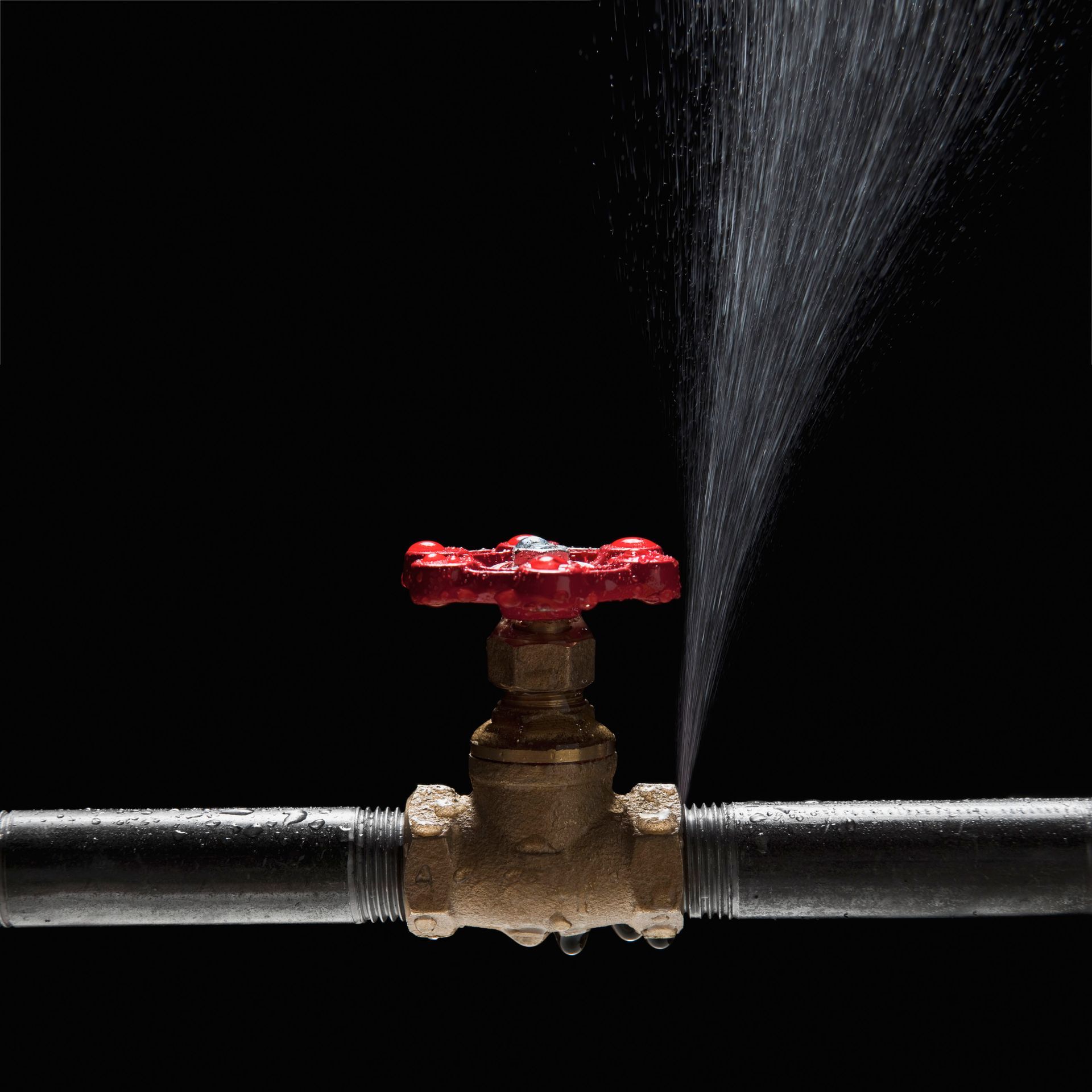
Before tearing into walls or disrupting your daily life, professionals conduct a thorough and meticulous evaluation of your entire plumbing network. This comprehensive diagnostic process goes far beyond simply checking the water pressure gauge at the main shutoff valve. Experts utilize advanced inspection techniques to visually identify the exact areas where corrosion, scaling, or root intrusions are strangling the water flow. Furthermore, they evaluate the integrity of the pipe joints and connections, which are prime locations for structural failure. It is critical to identify hidden vulnerabilities during this phase. According to Gitnux, approximately 15% of households across the United States are currently dealing with a water leak. These hidden leaks, even minor pinhole weeping, continuously siphon off water volume and significantly reduce the pressure that ultimately makes it to your faucets and showerheads. By comprehensively mapping out the compromised sections of the plumbing architecture, repiping specialists can formulate a precise, targeted strategy to replace the failing infrastructure while minimizing the disruption to your home.
Replacing the Infrastructure for Better Performance
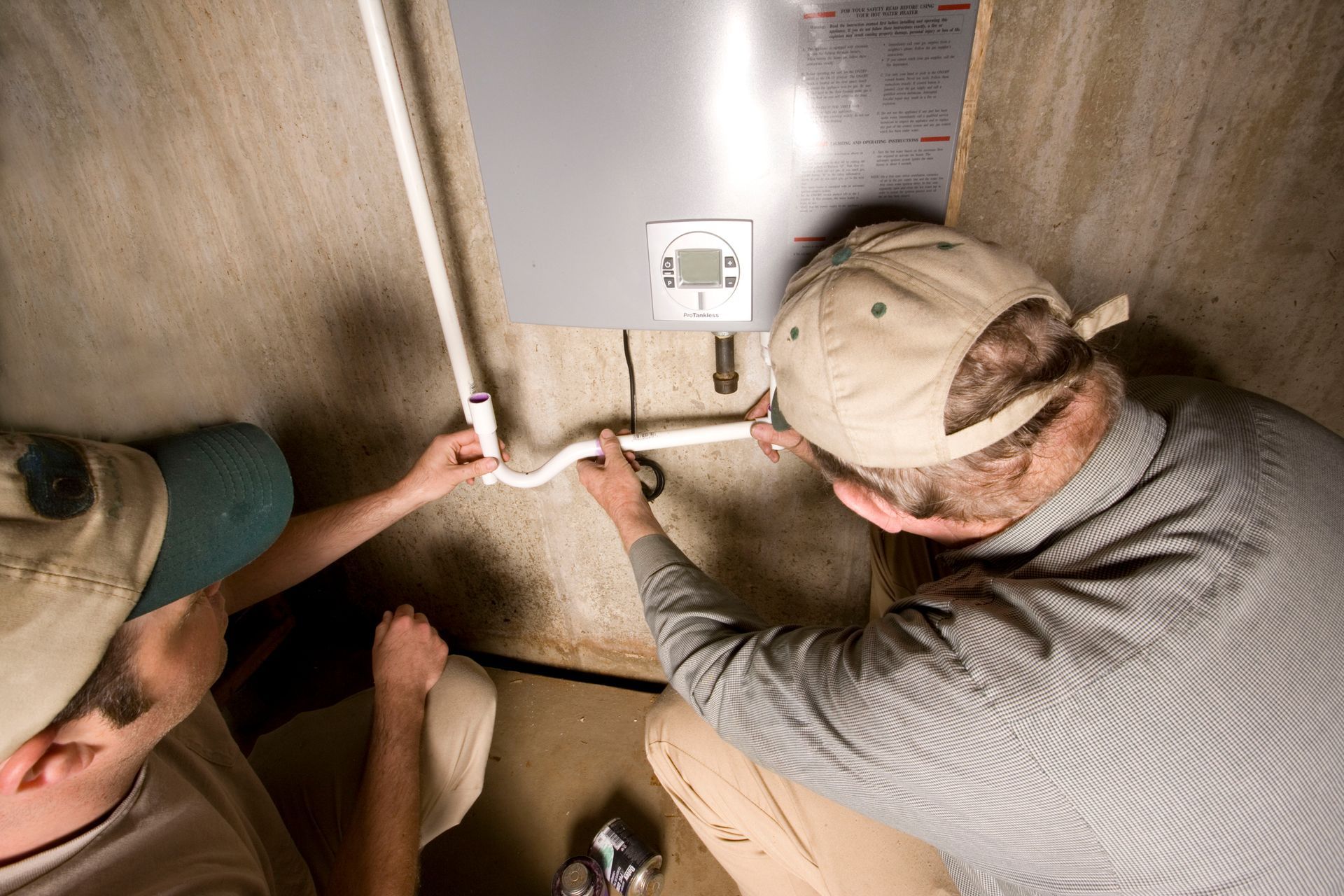
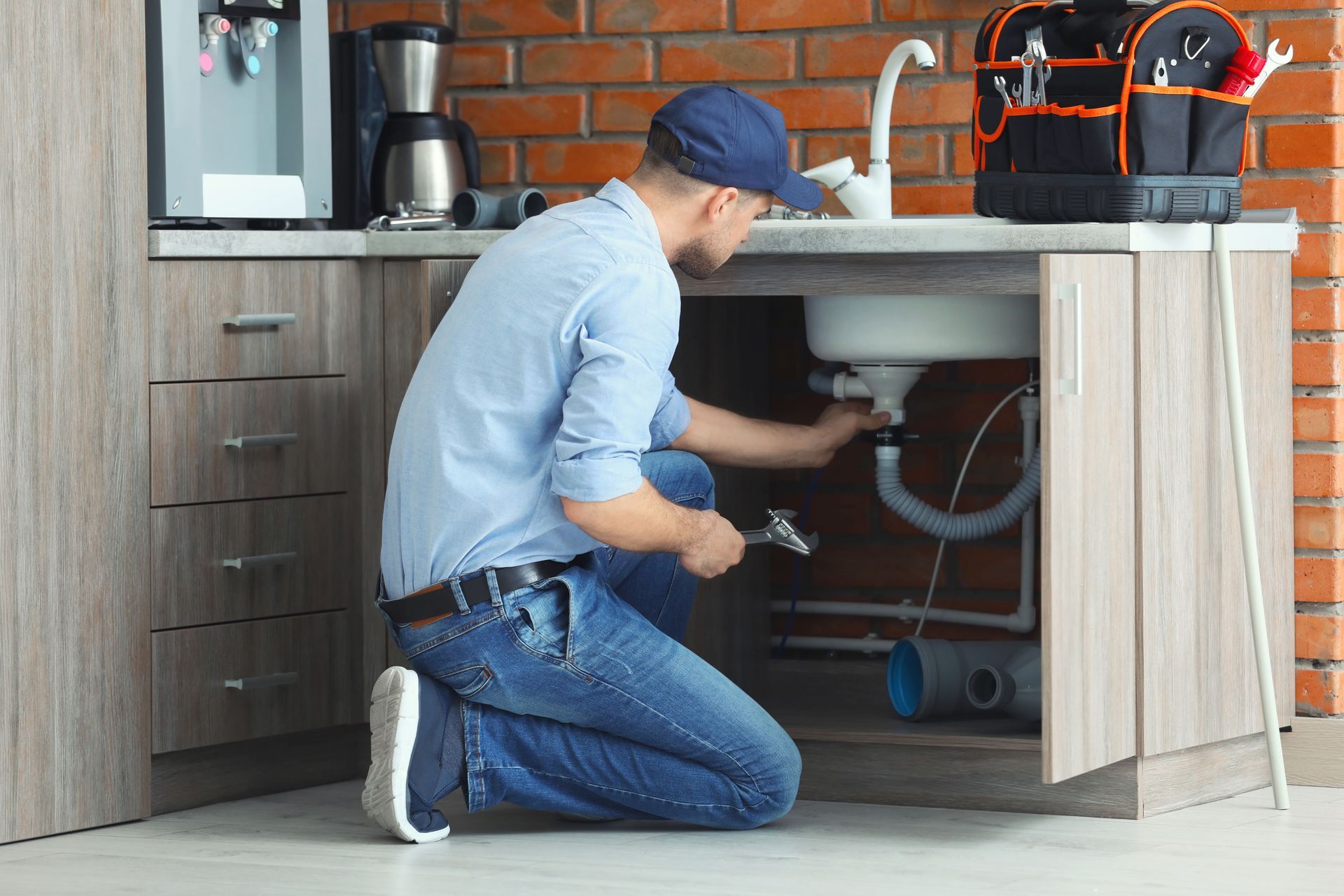
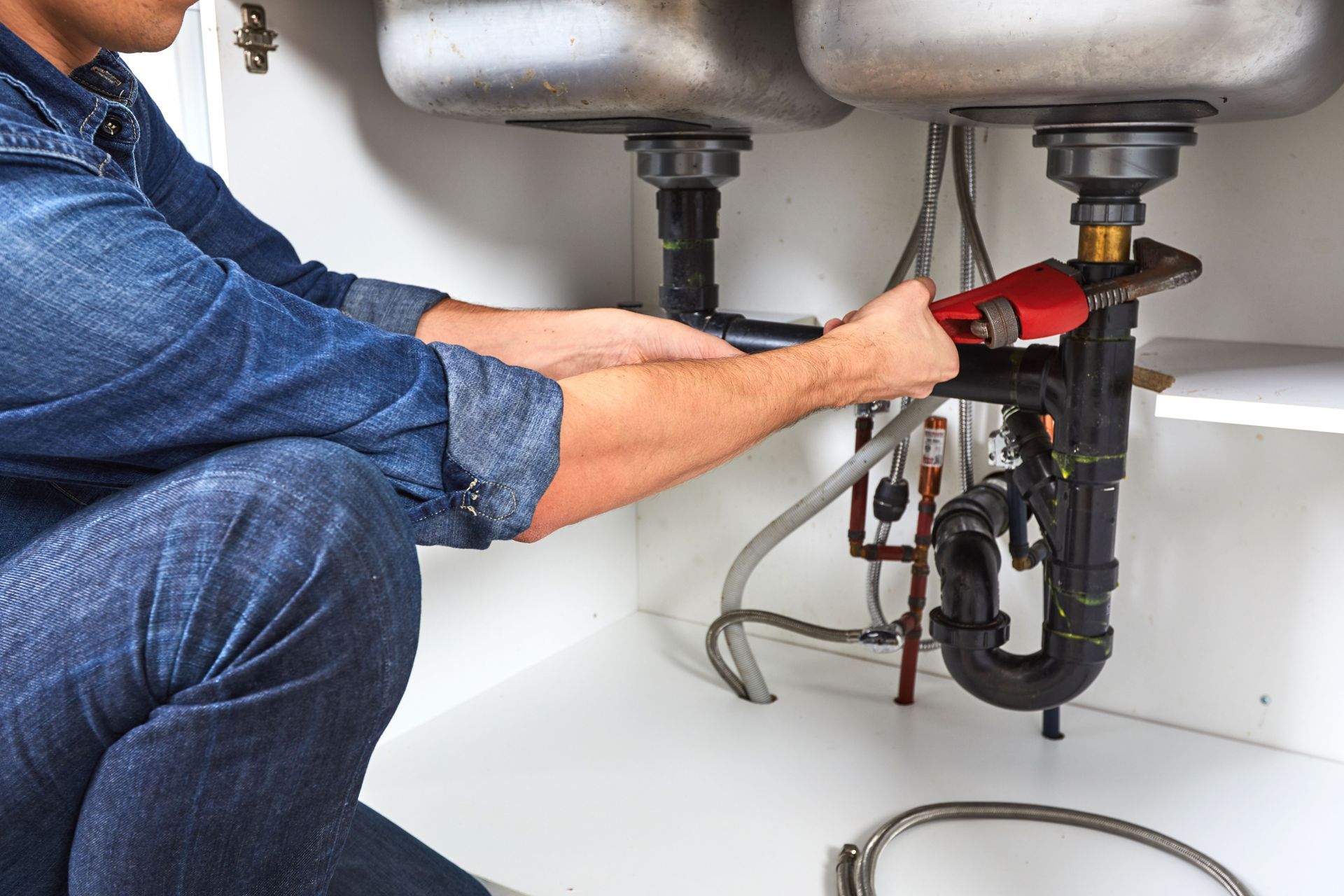
The physical extraction of old, degraded piping is a delicate operation that requires surgical precision and extensive structural knowledge. Workers must carefully navigate behind walls, under floors, and through tight crawlspaces to remove the heavy, rust-filled galvanized steel or failing polybutylene pipes that are choking your water supply. This phase of the project is often the most labor-intensive, as the old materials must be cut away and disposed of without causing collateral damage to the surrounding electrical wires or ductwork. The sheer weight and brittleness of aging pipes mean they must be methodically dismantled section by section. As the heavily occluded pipes are removed, the immediate cause of the terrible water pressure becomes obvious, as the interior channels are typically reduced to a fraction of their original size. Dedicated repiping specialists have the specialized tools and refined techniques necessary to execute this removal process swiftly, cleanly, and safely.
Sizing the Lines for Optimal Flow
One of the most critical aspects of restoring robust water pressure is engineering the new plumbing layout with the correct pipe diameters. A common mistake made by amateur plumbers is installing pipes that are uniformly too narrow, which severely restricts the volume of water capable of reaching high-demand fixtures like multi-jet showers or large soaking tubs. Conversely, pipes that are excessively large can cause a drop in the velocity of the water, leading to a sluggish and unsatisfying flow. To achieve the perfect balance, repiping specialists meticulously calculate the necessary flow rates based on the specific fixture count and layout of your home. They strategically employ larger diameter trunk lines to carry the main bulk of the water from the municipal meter to the various branches of the house. From these main arteries, appropriately sized branch lines are routed to individual sinks, toilets, and appliances. This precise, mathematically driven sizing strategy ensures that every fixture receives an abundant and consistent supply of water all day long.
Upgrading the Materials for Unrestricted Velocity
The introduction of contemporary plumbing materials plays a massive role in improving and maintaining high water pressure for decades to come. Today, the industry standard relies heavily on cross-linked polyethylene, commonly known as PEX, as well as high-grade copper piping for specific applications. PEX is incredibly flexible, allowing it to be snaked through wall cavities with minimal drywall removal, and its smooth interior surface eliminates friction as water rushes through it. This lack of friction means that water maintains its velocity and pressure much better than it would traveling through rigid, rough-hewn metal pipes. Additionally, PEX is highly resistant to the type of mineral scale buildup and corrosion that doomed older plumbing systems, guaranteeing that the internal diameter of the pipes will remain wide open and unobstructed over time. For areas requiring rigid piping, such as exposed connections or main water entry points, type L copper offers unparalleled durability and a similarly smooth internal channel. By leveraging the unique benefits of these advanced materials, homeowners can enjoy a plumbing system that actively facilitates a powerful stream.
Testing the System for Reliable Pressure
The final phase of the renovation involves rigorous testing to verify that the newly installed system delivers the promised improvements in pressure and volume. Before the walls are patched and painted, the entire network is pressurized and monitored closely to ensure absolute watertight integrity at every single connection point. This static pressure test is crucial for confirming that the new lines can effortlessly handle the municipal water pressure without springing any leaks. Next, a dynamic flow test is conducted by turning on multiple high-demand fixtures simultaneously across different levels of the house. The goal is to observe a strong, unyielding flow of water at every tap, regardless of what other appliances are running. The technicians will also calibrate the pressure regulating valve to ensure the water entering the home is sitting at the optimal pressure to prevent damage to appliances while maximizing shower performance. Through this exhaustive verification process, repiping specialists guarantee that the homeowner is left with a drastically improved, whisper-quiet, and highly efficient plumbing system.
Living with weak water pressure is a frustrating ordeal that homeowners no longer need to tolerate. By completely overhauling the deteriorated plumbing infrastructure with modern materials and precise sizing, professionals can instantly restore a powerful, reliable water supply to every fixture. For more on how investing in a full plumbing upgrade with repiping specialists protects your property from water damage, please contact Terry's Plumbing Air & Energy.
Share On: