How Extreme Summer Temperatures Can Damage Your Plumbing System
When summer arrives, most homeowners focus their attention on keeping their living spaces cool and functional. While the relentless heat beats down on rooftops and yards, a hidden network of infrastructure bears a heavy burden. Extreme seasonal weather strains residential infrastructure in ways that many property owners overlook until a major breakdown occurs, which often requires fast emergency plumbing services to fix. Learning how extreme summer temperatures can damage your plumbing system will help you protect your investment, minimize unexpected breakdowns, and avoid costly home repairs.
Understanding UV Degradation and Outdoor Main Failures
Many modern residential properties utilize durable plastic piping for outdoor water delivery, swimming pool filtration, and irrigation systems. While these materials perform exceptionally well underground, any sections left exposed to direct sunlight face serious risks from ultraviolet radiation. Prolonged exposure to solar energy breaks down the chemical bonds within the polymer structures, which leaves the material brittle, faded, and highly susceptible to cracking under pressure.
This degradation process accelerates when outdoor temperatures soar, as the physical material absorbs thermal energy alongside the radiation. A section that once possessed flexibility becomes rigid, meaning even minor physical impacts or routine water pressure spikes can shatter the wall. As the material weakens, the risk of a sudden, catastrophic blowout increases dramatically, often forcing homeowners to seek emergency plumbing services to stop flooding.
Outdoor distribution systems face distinct vulnerabilities during peak seasonal heatwaves:
- Irrigation manifold splitting: Main valves and connection manifolds located above the ground absorb intense solar radiation, which causes the plastic housings to crack and leak.
- Main supply line ruptures: The primary line carrying fresh water from the municipal meter to your home operates under high pressure, making weakened, sun-damaged sections highly prone to burst events.
- Spigot connection failure: Outdoor hose bibbs and their internal rubber seals expand and distort in the heat, creating persistent leaks that waste thousands of gallons of water.
Protecting these exposed sections with specialized insulation, protective sleeves, or physical shading can extend their lifespan significantly. By shielding vulnerable materials from direct solar contact, you reduce the likelihood of experiencing an expensive outdoor water line failure during the hottest weeks of the year.
Analyzing Elevated Water Demand and System Strain
Summer heat inevitably alters how households consume water, putting unprecedented pressure on every single fixture in the home. Family members take more frequent showers, laundry loads increase with wet towels, and outdoor landscaping requires consistent watering to survive. This elevated usage means your infrastructure rarely gets a period of rest, forcing valves, seals, and pumps to work continuously.
This constant operation accelerates the wear and tear on mechanical components, particularly your water heater, pressure regulators, and well pumps. If your system has minor, undetected vulnerabilities, the added stress of peak summer demand will quickly turn them into active failures. When multiple fixtures run simultaneously, the internal pressure fluctuations can weaken older joints, create pinhole leaks, and cause hidden water damage behind your walls.
Managing this elevated usage requires a proactive approach to property maintenance, such as checking hoses and spacing out heavy appliance cycles. If your infrastructure struggles to keep pace with your household needs, reaching out for emergency plumbing services will keep your daily routine from being disrupted by a sudden utility breakdown.
Mitigating Severe Slab Leaks and Structural Moisture
When underground pipes fail directly beneath a home's concrete foundation, the resulting issue is known as a slab leak. As previously discussed, the soil movement caused by extreme summer heatwaves is a primary catalyst for these hidden disasters. When a pressurized copper or plastic supply line develops a pinhole leak or splits beneath the slab, the escaping water has nowhere to go but up through the porous concrete.
Because these issues occur completely out of sight, they can quietly cause thousands of dollars in structural damage before you ever realize a problem exists. The warm, damp environment created by a summer slab leak provides the perfect breeding ground for toxic mold and mildew beneath your flooring. Furthermore, the constant stream of moisture can wash away the supporting soil, causing your foundation to settle unevenly and crack.
Property owners should remain alert for specific indicators that suggest a leak is active beneath their living spaces:
- Unexplained hot spots: If a hot water line breaks beneath the foundation, you may feel distinct warm sections on your linoleum, tile, or hardwood floors.
- Audible rushing water: Hearing the faint sound of running or hissing water when all household faucets are completely turned off is a strong indicator of a pressurized line failure.
- Sudden spikes in water bills: A dramatic, unexplained increase in your monthly utility costs usually indicates that water is escaping continuously from your main infrastructure.
Detecting and repairing these foundational failures requires specialized electronic equipment and non-invasive diagnostic techniques. Booking professional emergency plumbing services to address a slab leak immediately protects the structural integrity of your foundation, preserves your flooring, and keeps your indoor air quality healthy and safe.
Preparing for Burst Pipe Scenarios and High Pressure
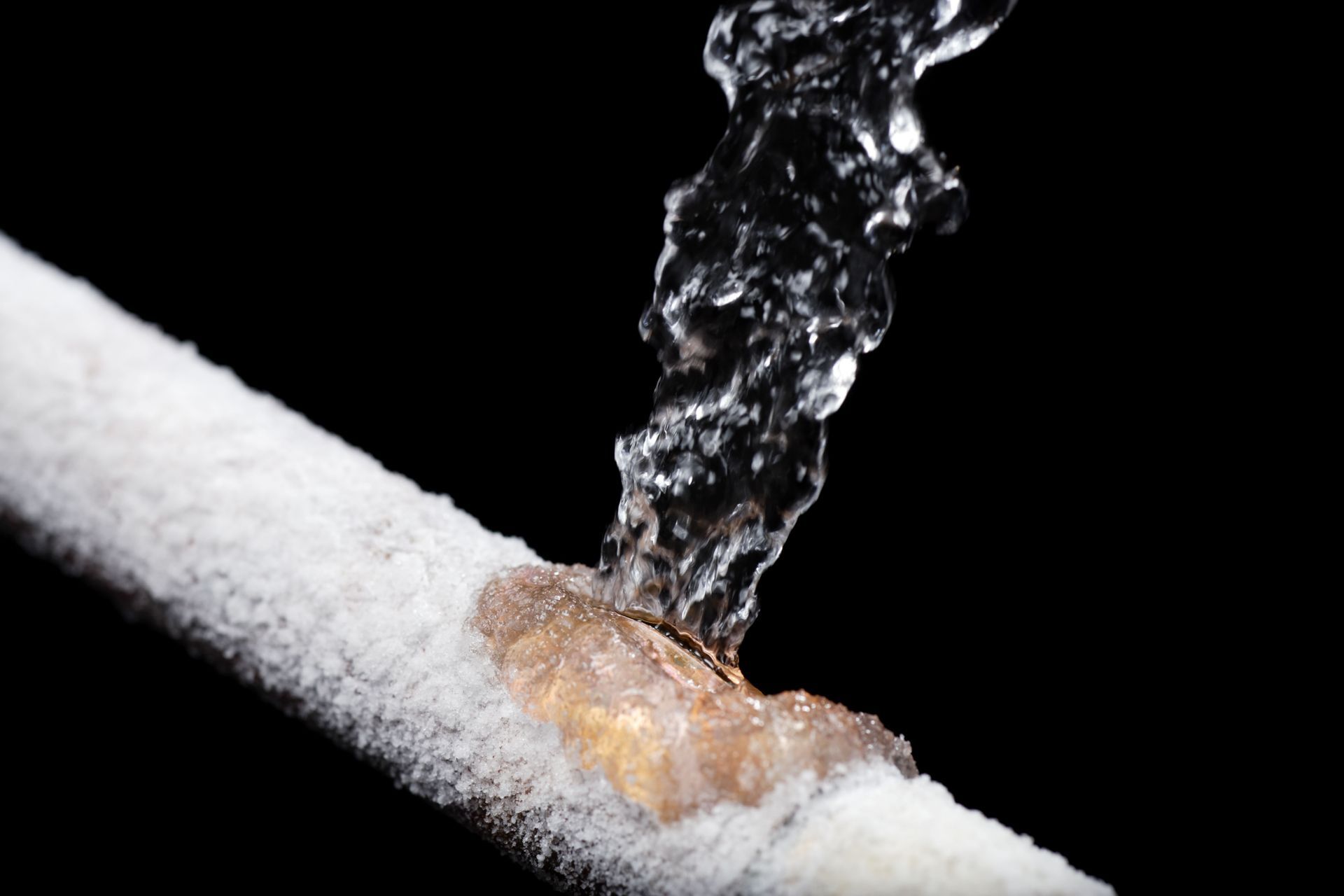
While winter freezes are famous for destroying lines, summer heatwaves present their own distinct burst risks that property owners must take seriously. According to NerdWallet, about 250,000 homes in the United States experience damage from frozen or burst pipes each year. While winter ice causes volumetric expansion, summer failures are driven by a combination of material degradation, ground movement, and extreme pressure fluctuations.
When municipal water systems experience high demand during a heatwave, water utilities must boost their delivery pressures to ensure that every household receives an adequate supply. This sudden influx of high-pressure water travels through lines that may already be softened or stressed by high ambient temperatures. If your home lacks a functional pressure-reducing valve, these municipal spikes can easily rupture weakened joints and older pipes, requiring rapid intervention and expert emergency plumbing services to control the damage.
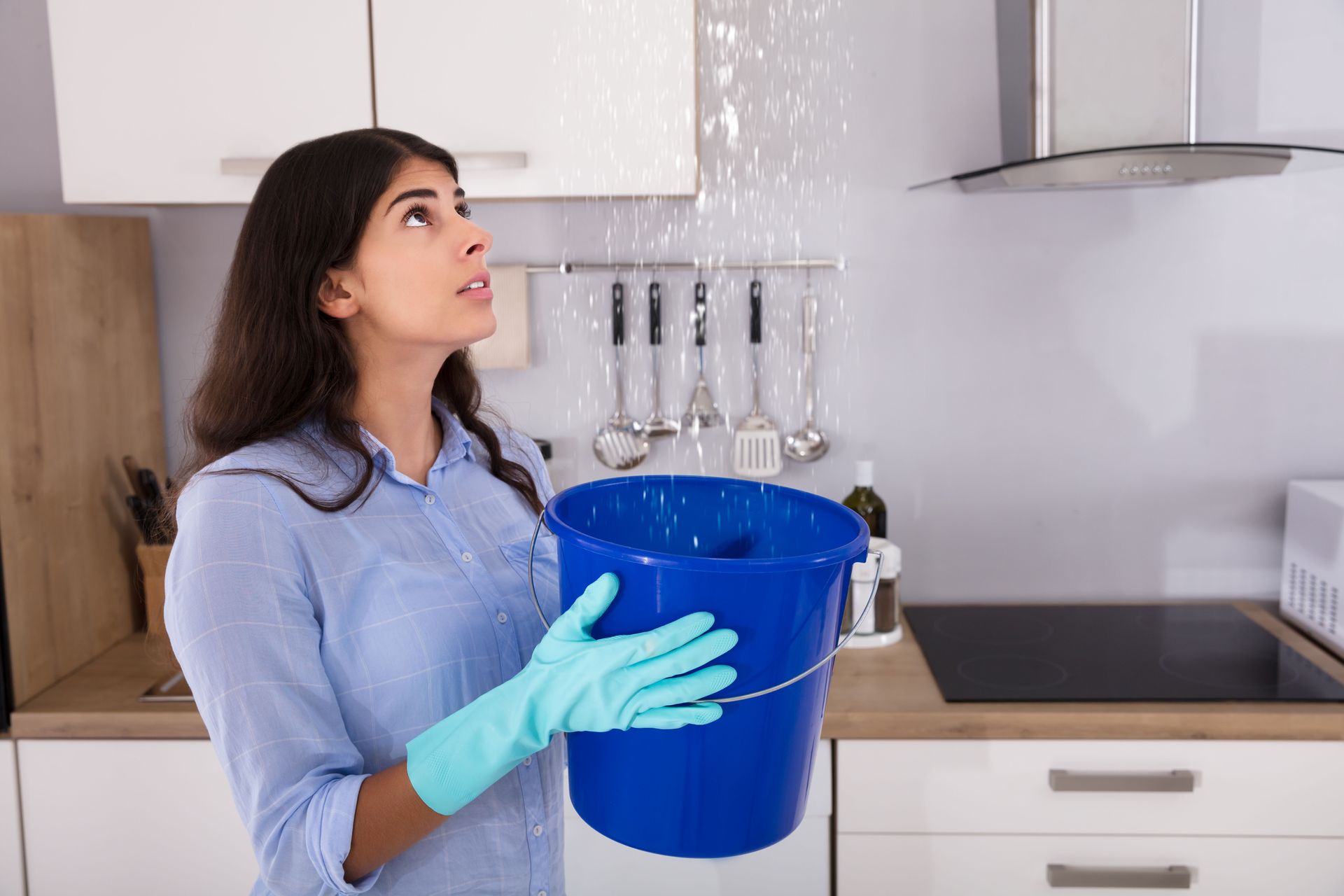
When a major line ruptures inside your home, taking immediate, decisive action is essential for minimizing property destruction:
- Locate the main shutoff valve: Every adult in the household should know exactly where the primary water isolation valve is located and how to turn it clockwise to stop all incoming flow.
- Turn off electricity to affected areas: If water is actively leaking near electrical outlets, appliances, or your main breaker panel, shut off the power immediately at the circuit breaker to prevent electrocution.
- Clear standing water quickly: Utilize wet-dry vacuums, mops, and fans to remove pooled water from carpets, drywall, and baseboards to discourage mold growth and structural warping.
Once you have stabilized the immediate situation by turning off the water supply, securing professional assistance is the next crucial step. Relying on certified technicians ensures that the underlying structural damage is completely resolved and that your plumbing infrastructure is safely restored to code.
If you notice warning signs like dropping water pressure, unusual noises in your walls, or unexpected utility bills, do not wait for a major pipe rupture to occur. Fewer issues become catastrophic when caught early, meaning you will face less stress and lower long-term repair costs. When you need dependable maintenance, inspections, or
emergency plumbing services to keep your household running safely through the hottest months of the year, reach out to the dedicated experts at Terry's Plumbing Air & Energy.

Share On: