
8 Signs You Need a Water Heater Replacement
Hot water is something most households rely on every day, from morning showers and laundry to cooking, cleaning, and basic hygiene. When a water heating system begins to struggle, those daily routines can quickly become frustrating, inconvenient, and disruptive. Even small changes in performance can affect comfort and efficiency across the entire household. Because water usage remains consistent in most homes, minor warning signs often point to larger underlying issues that should not be ignored. According to FieldCamp, the average person in the United States uses roughly 88 gallons of water per day, placing significant and ongoing demand on residential water heating systems.
With that level of daily use, water heaters experience constant stress. Over time, internal components wear down, efficiency declines, and reliability becomes less predictable. Understanding the warning signs early allows homeowners to plan for a water heater replacement before a complete breakdown occurs. Taking action proactively helps avoid emergency service calls, water damage, and unexpected disruptions. Below are eight common indicators that it may be time to replace your system, along with explanations of why professional evaluation plays a critical role in the process.
1. Noticing Inconsistent Water Temperatures
One of the earliest and most noticeable signs of water heater trouble is inconsistent water temperature. If your hot water turns cold unexpectedly, fluctuates during use, or never reaches the desired temperature, internal components may be failing. Heating elements, burners, and thermostats naturally degrade over time, especially in systems that operate continuously without interruption.
When temperature inconsistencies occur frequently, simple adjustments or repairs often provide only short-term relief. As components continue to age, performance issues tend to resurface. In many cases, a water heater replacement offers a more reliable and energy-efficient solution, restoring consistent temperatures while reducing strain on the system. This consistency improves comfort and ensures dependable hot water throughout the home.
2. Experiencing Reduced Hot Water Supply
Running out of hot water sooner than expected is another strong indicator that your system may be nearing the end of its useful life. Sediment accumulation inside the tank reduces usable capacity and interferes with heat transfer. As sediment builds up, the system must work harder to heat less water, resulting in shorter hot water availability.
This issue becomes increasingly common in older units and often worsens with time. For households with multiple occupants or high daily water usage, reduced capacity can significantly disrupt routines. Choosing a water heater replacement allows homeowners to restore proper supply levels and select a system appropriately sized for current and future needs.
3. Hearing Unusual Noises From the Tank
Popping, rumbling, or banging sounds coming from your water heater are not normal operating noises. These sounds are usually caused by hardened sediment settling at the bottom of the tank. As water heats beneath this layer, trapped steam bubbles escape, creating loud and persistent noises.
Over time, sediment buildup increases internal pressure, reduces efficiency, and accelerates wear on the tank. When these noises persist, they often signal that internal damage has progressed beyond simple maintenance solutions. In many situations, a water heater replacement becomes the most cost-effective and reliable option for preventing further damage and restoring quiet operation.
4. Observing Rust-Colored or Cloudy Water
Discolored water flowing from hot taps is a serious warning sign that should not be overlooked. Rust-colored or cloudy water often indicates corrosion occurring inside the tank. As protective linings deteriorate, rust particles can enter the water supply, affecting both water quality and household fixtures.
Once internal corrosion begins, it cannot be reversed through repairs. Continued use increases the risk of leaks and sudden failure. A water heater replacement eliminates this issue entirely, restoring clean, clear hot water and protecting plumbing fixtures from staining and damage.
5. Dealing With Frequent Repairs and Service Calls
While occasional service visits are expected over the lifespan of any water heater, frequent repairs often indicate that the system is nearing the end of its functional life. Replacing individual components repeatedly can quickly become expensive and unreliable, especially when failures occur in multiple areas.
At a certain point, repair costs outweigh the value of maintaining an aging system. A planned water heater replacement allows homeowners to transition to a new unit on their own timeline rather than reacting to emergencies. This approach improves long-term reliability and provides predictable performance without repeated service disruptions.
6. Noticing Leaks or Moisture Around the Unit
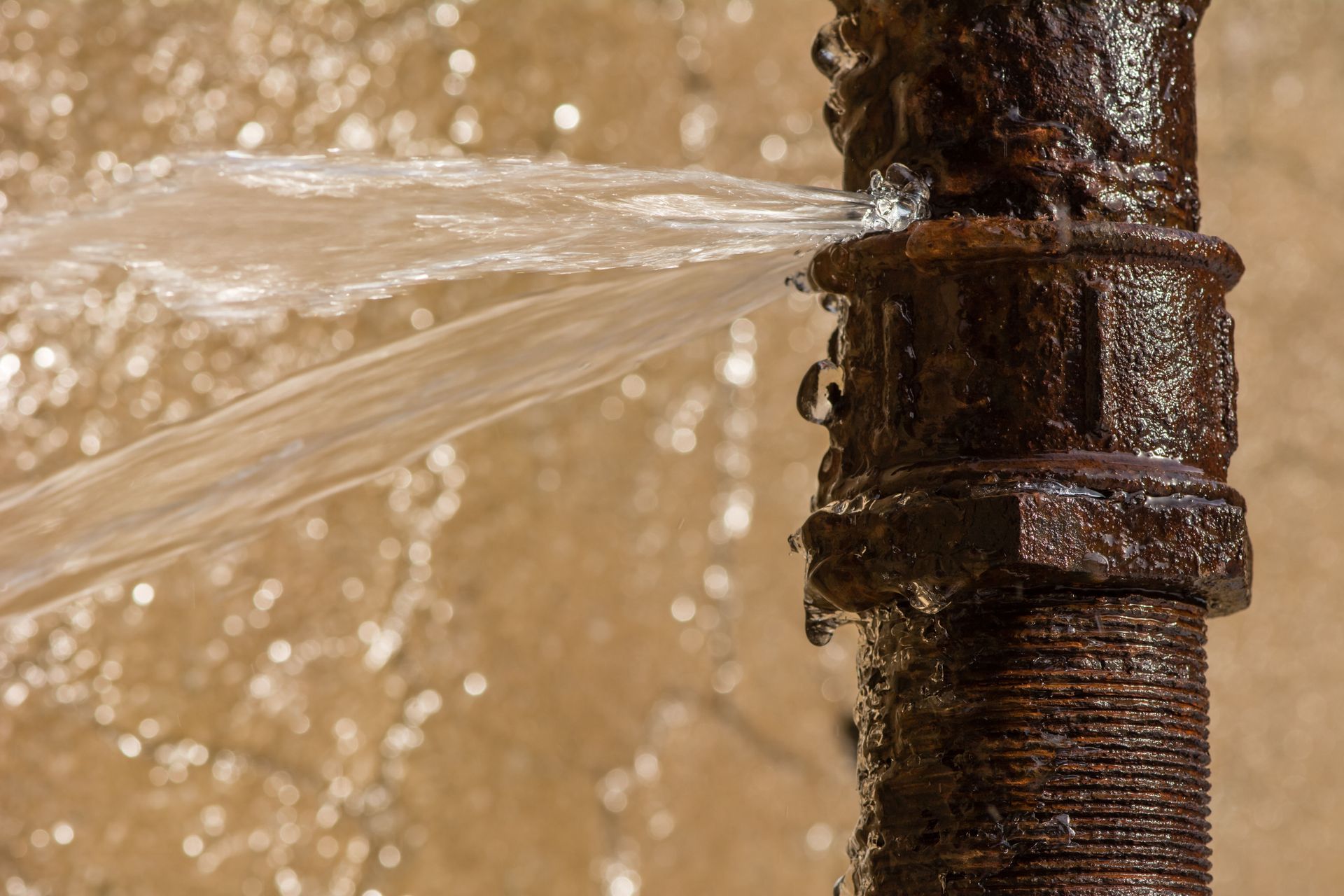
Water pooling around the base of a water heater is one of the most serious warning signs. Even minor leaks can indicate cracks forming within the tank due to corrosion or internal pressure buildup. These issues rarely resolve on their own and often worsen rapidly.
Left unaddressed, leaks can cause significant damage to flooring, walls, and nearby appliances. In these situations, repair is rarely practical or safe. A professional water heater replacement helps prevent property damage, protects surrounding structures, and restores confidence in the system’s reliability.
7. Facing Rising Energy Bills Without Explanation
As water heaters age, they gradually lose efficiency. Worn components, sediment buildup, and outdated technology force the system to consume more energy to produce the same amount of hot water. When utility bills increase without changes in usage patterns, the water heater is often the hidden cause.
Modern systems installed during a water heater replacement are designed with improved insulation, advanced controls, and higher efficiency ratings. These upgrades help reduce energy consumption, stabilize monthly costs, and support more sustainable household operation over time.
8. Owning a System Beyond Its Expected Lifespan
Most traditional tank-style water heaters are designed to last between eight and twelve years, depending on maintenance, usage levels, and water quality. Once a system exceeds this age range, the likelihood of failure increases significantly—even if no major problems are immediately visible.
Older units are more vulnerable to corrosion, leaks, and sudden breakdowns. Proactively planning a water heater replacement based on age alone helps homeowners avoid unexpected outages and costly emergency situations while ensuring uninterrupted access to hot water.
Understanding the Importance of Professional Evaluation
Recognizing the warning signs is only the first step. A licensed professional can perform a thorough evaluation to determine whether replacement is necessary and which system best suits the household. This assessment includes reviewing capacity requirements, efficiency goals, installation conditions, and long-term performance expectations.
Professional installation ensures compliance with safety standards and local codes while optimizing system performance. A properly planned water heater replacement delivers dependable results and reduces the risk of installation-related issues that could compromise efficiency or lifespan.
Planning Ahead for Long-Term Comfort
Replacing a water heater before it fails offers significant advantages. Homeowners can compare options, schedule installation at a convenient time, and avoid the stress associated with a sudden loss of hot water. Modern systems provide faster recovery times, improved temperature control, and better energy management.
With consistent daily water usage across households, investing in a water heater replacement is a practical step toward protecting comfort, efficiency, and peace of mind. Planning ahead allows for informed decisions that align with both current needs and future demands.
The success of any replacement depends heavily on the expertise of the professionals involved. Proper sizing, installation, and system selection directly affect performance, efficiency, and longevity. Working with experienced technicians ensures that the replacement process is smooth and that the new system delivers reliable results from day one.
If you are noticing one or more of these warning signs, it may be time to take the next step. Terry’s Plumbing Air & Energy provides trusted guidance and professional
water heater replacement services designed to keep your home comfortable, efficient, and protected. Contact our team today to schedule an evaluation and ensure your hot water system is ready to meet your household’s daily demands with confidence.

Share On: