
What to Consider Before Installing a New HVAC System
Installing a new HVAC system is a significant investment that can influence your home's comfort, energy use, and indoor environment. Before choosing a replacement, it's important to consider your household's needs, the condition of your existing equipment, and the features available in different systems. Taking time to evaluate these details can help you make a more informed decision and select equipment that suits your home.
A new heating and cooling system should provide dependable performance while accommodating your preferences and budget. Working with an experienced HVAC company can also help you understand your options and prepare for the installation process. In this article, we'll discuss the important factors to consider before installing a new HVAC system, from equipment selection and sizing to installation requirements and ongoing maintenance.
1. Evaluate Your Current HVAC System
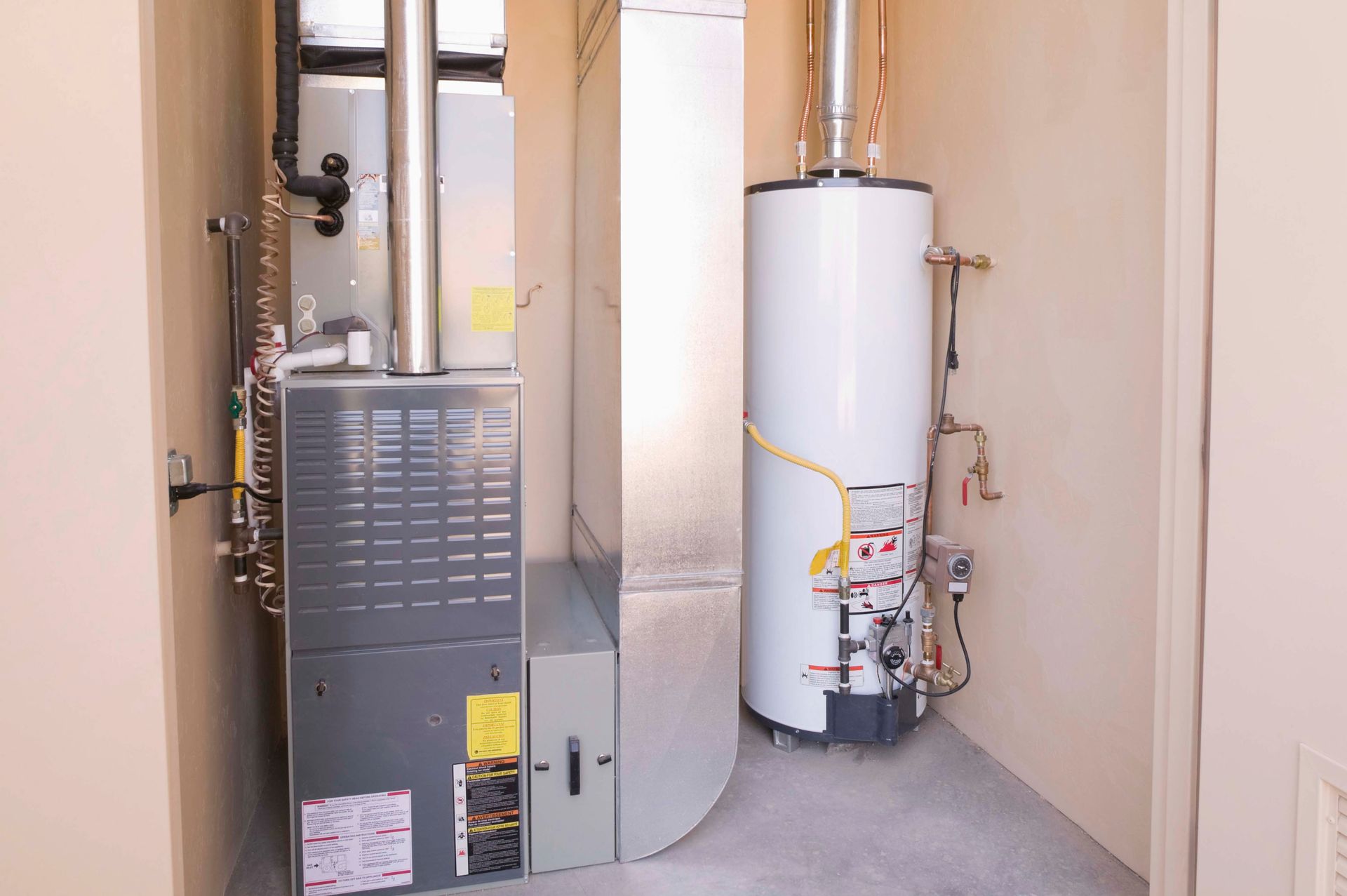
Before investing in new equipment, take a closer look at your existing HVAC system and its overall condition. Consider whether it has been experiencing recurring problems, struggling to maintain comfortable temperatures, or requiring frequent repairs.
The age of your current equipment is another important consideration. According to This Old House, HVAC systems can last up to 20 years when they receive proper maintenance, making the system's age an important factor when deciding whether replacement is necessary.
If your equipment is approaching the end of its expected lifespan, replacing it may be worth considering instead of continuing to address recurring problems. An HVAC company can inspect your existing setup, discuss its condition, and help you determine whether installing a new system is a practical option.
2. Determine Your Household's Heating Needs
Every household has different heating requirements, so it's important to consider how your family uses its living space. Think about which rooms need consistent heating, whether certain areas tend to feel colder, and how often you use your heating system throughout the year.
Your preferred indoor temperature can also influence your equipment selection. Some homeowners prefer a consistently warm environment, while others adjust their thermostats throughout the day based on their schedules and comfort preferences.
Discussing these needs with an HVAC company can help you identify equipment that accommodates your household's heating requirements. Providing details about your current comfort concerns can also help guide conversations about the features and capabilities worth prioritizing.
3. Consider Your Home's Cooling Requirements
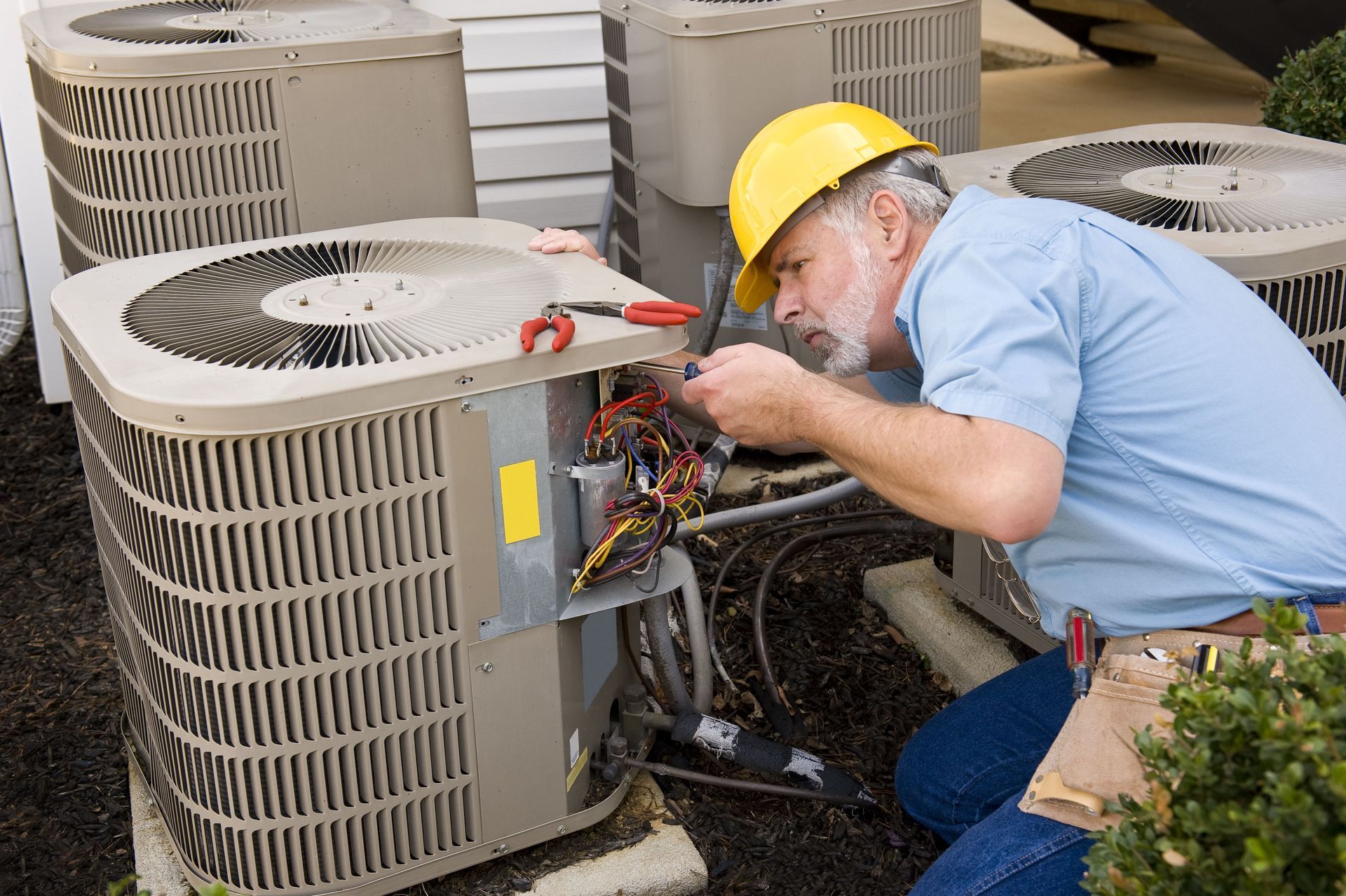
Heating is only one part of your home's overall comfort, so cooling requirements should receive equal attention when selecting a replacement system. Consider how effectively your existing equipment cools each room and whether you experience noticeable differences in temperature throughout the house.
You should also think about how frequently you use air conditioning and which areas receive the most attention during warmer months. These preferences can help you determine which cooling capabilities are most important for your household.
An HVAC company can discuss different equipment options based on your home's cooling needs. Taking the time to evaluate both heating and cooling requirements can help you select a system that supports year-round comfort rather than focusing on just one season.
4. Choose the Right HVAC System Size
Selecting the appropriate system size is an important part of planning a new installation. Equipment that doesn't match your home's requirements may have difficulty delivering the level of comfort you expect, making proper sizing an essential consideration.
Your home's layout, available space, and individual heating and cooling needs should all be considered during the selection process. Rather than choosing equipment based solely on its appearance or advertised capabilities, focus on finding a system that suits the property.
An HVAC company can evaluate your home and help determine which equipment size is appropriate for the installation. This step allows you to discuss your options before making a purchase and reduces the likelihood of selecting a system that doesn't align with your household's requirements.
5. Compare Different HVAC System Options
Not all HVAC systems offer the same features or operate in the same way, so comparing available options is worthwhile. Depending on your home's existing setup and preferences, you may want to discuss different heating and cooling configurations before deciding which one to install.
Consider the features that matter most to your household, including temperature control, operating preferences, and equipment compatibility. You should also think about whether you want a straightforward replacement or an opportunity to make changes to your existing heating and cooling arrangement.
An HVAC company can explain the differences between available systems and help you understand what each option involves. Comparing equipment before making a final decision gives you an opportunity to prioritize your needs instead of choosing a system without fully understanding its capabilities.
6. Review Energy Efficiency Features
Energy efficiency is another consideration when purchasing a new HVAC system. Since heating and cooling equipment can be an important part of household energy use, reviewing the efficiency features of different options can help you make a more informed selection.
When comparing systems, pay attention to their efficiency ratings and available operating features. You can also discuss how different equipment options align with your preferences for managing household energy consumption.
It's helpful to consider both the initial purchase price and the system's expected operating expenses. An HVAC company can walk you through the available specifications and explain the differences between equipment options, helping you evaluate which features are worth prioritizing within your budget.
7. Establish Your Installation Budget
Before moving forward with a new HVAC system, determine how much you're comfortable spending on the project. Establishing a budget can help narrow your options and make it easier to compare equipment without overlooking other installation expenses.
Remember to consider more than the cost of the equipment itself. Installation labor, potential adjustments to existing components, and additional work required to accommodate the new system may also influence the overall project cost.
Requesting a detailed estimate from an HVAC company can help you understand what the proposed installation includes. Ask questions about the equipment, labor, and any additional expenses so you can evaluate the complete investment before approving the project.
8. Examine Your Existing Ductwork
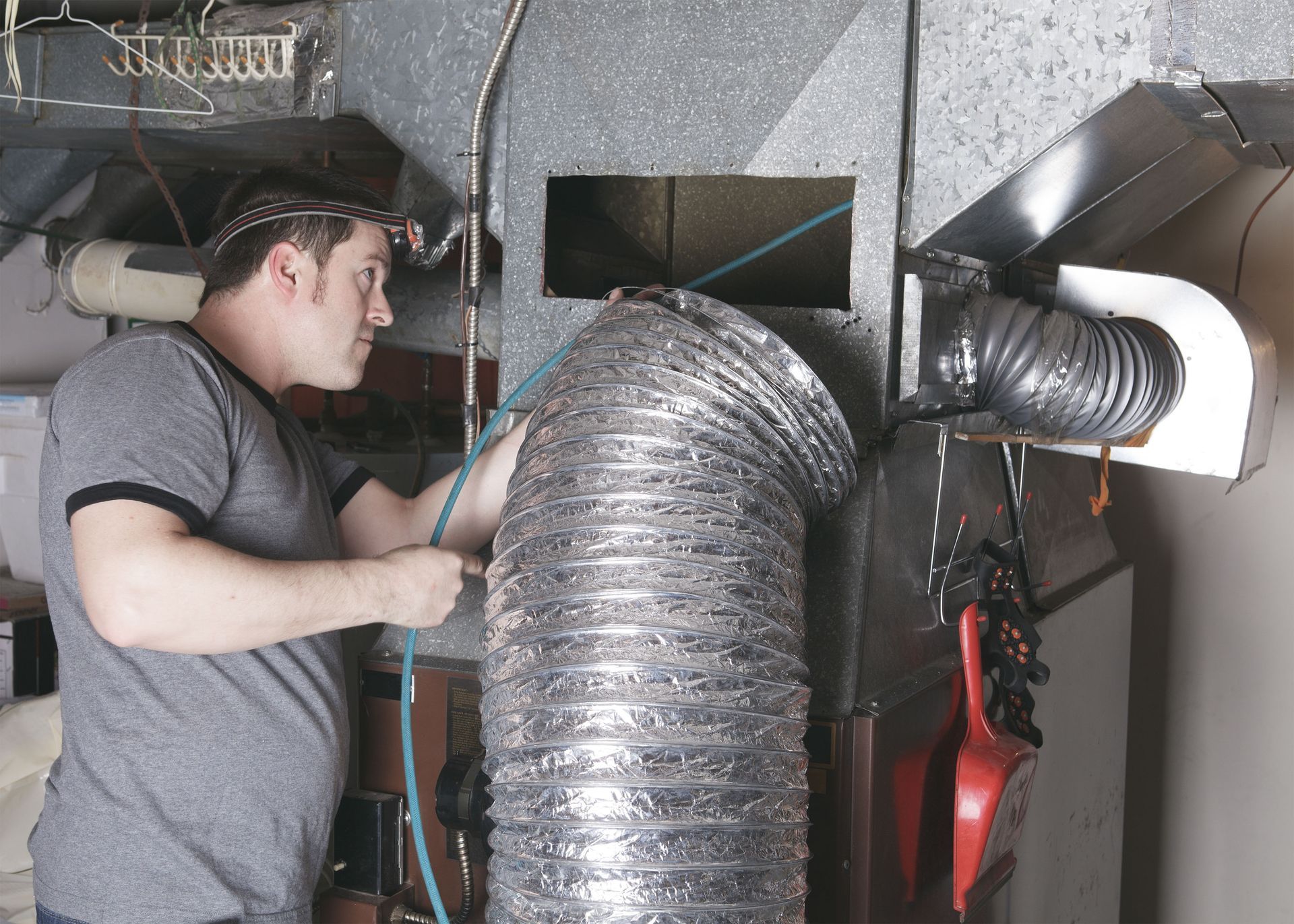
Your home's existing ductwork is another important factor to evaluate before installing a replacement HVAC system. Even when new equipment is selected, the condition and arrangement of the ducts can influence how heating and cooling are distributed throughout the property.
Look for concerns such as visible damage, disconnected sections, or areas that may require attention. If certain rooms consistently feel different from others, discussing the ductwork with your installation professional can help identify whether it needs to be evaluated as part of the project.
You should also ask whether your existing ductwork is compatible with the equipment you're considering. An HVAC company can inspect the current arrangement and explain whether any adjustments should be included in the installation plan.
Installing a new HVAC system involves more than selecting equipment and scheduling a replacement. You should evaluate your existing system, understand your household's heating and cooling needs, compare available options, establish a realistic budget, and consider the condition of your ductwork before moving forward.
It's equally important to work with an experienced professional who can guide you through equipment selection, installation requirements, and future maintenance. With careful planning, you can choose a system that aligns with your home's needs and supports your comfort for years to come. Contact Terry's Plumbing Air & Energy today to discuss your installation options and get started on planning your new heating and cooling system!

Share On: